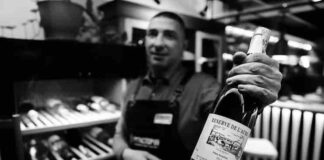


Wine has its own sense of time, and it rarely matches the pace of modern life. It evolves slowly, quietly, doing its best work when no one’s watching. While everything else these days seems built for speed and instant results, wine remains stubbornly old-school. It responds poorly to being rushed, fiddled with, or constantly checked on. In this post, as part of our wine hacks and tips, we’ll explore all about wine storage and why it’s about patience, not control.
The best bottles tend to reward restraint. When left alone, they slowly find their footing, softening rough edges and revealing layers that only time can unlock. It’s not about forcing flavor or accelerating maturity — it’s about allowing wine to move at its own pace. That slow, almost invisible transformation is exactly what makes opening a well-stored bottle so satisfying.
You can see this philosophy play out clearly when you look at how serious collectors approach wine storage in Australia, for example, where climate extremes make patience even more essential. Instead of constantly adjusting conditions, many Australian wine cellars focus on stability — insulating against heat, minimizing vibration, and letting bottles rest undisturbed for years. In a country where temperatures can swing dramatically, the lesson is simple: consistency beats constant intervention every time.
The Common Myth: Wine Needs Constant Tinkering
There’s a popular belief that proper wine storage means endless adjustments. A tweak here, a small temperature change there, a nervous glance every other day. In reality, wine doesn’t want a manager hovering over its shoulder. It wants steady conditions and a bit of peace and quiet.
Over-handling can cause more disruption than benefit, especially when changes are made without a clear reason. Wine is not fragile in a fussy way. It’s resilient, provided its environment stays consistent. Common habits that lean a little too far into control include:
- Constantly moving bottles from one spot to another
- Obsessing over tiny temperature changes that barely register
- Treating wine like it needs daily attention
- Assuming more gadgets automatically equals better storage
Watch this video to learn about the biggest mistakes to avoid when storing wine:
What Wine Is Actually Waiting For
While a bottle rests, subtle processes tick away inside. Tannins soften, acids mellow, and flavours begin to knit together. These changes are chemical, yes, but they’re also sensory. Sharp edges round off. Aromas that once felt separate start to feel connected. None of this can be rushed without losing something along the way.
Time is the main ingredient, and it works best when conditions stay calm. Temperature stability slows unwanted reactions. Darkness protects delicate compounds. Stillness keeps sediment where it belongs. Wine’s waiting for time, not attention.
Stability Beats Perfection Every Time
Wine responds far better to a stable environment than to one that swings between extremes. Even a theoretically perfect temperature means little if it can’t hold steady. That’s where proper storage facilities come in, providing consistent conditions that let wine thrive. Wine tends to do best when it has:
- A steady, predictable temperature
- Minimal exposure to light
- A setting where bottles are left undisturbed
Why Letting Go Is Part of Being a Better Wine Owner
Setting up the right conditions and then stepping back isn’t neglect. It just shows an understanding of how wine matures and what it actually needs.
Letting go also removes the low-level stress that can creep in when bottles are stored in makeshift spaces. There’s no more second-guessing or wondering if the heat spike you experienced last week caused any harm. Proper storage turns wine ownership into something calmer, more enjoyable, and frankly more satisfying.
When Proper Storage Stops Feeling Technical and Starts Feeling Sensible
Once storage is handled properly, it stops feeling like a technical exercise and starts feeling like common sense. Purpose-built facilities are designed to manage the details quietly in the background.
Really, there’s no special knowledge required. No daily decisions. All you need is a stable environment doing its job. For many people, it feels like taking a load off the mental checklist. A few simple benefits tend to stand out, and these include:
- Peace of mind knowing conditions stay consistent
- Confidence that bottles will age as intended
- Less temptation to interfere for no real reason
Conclusion: Patience Is the Quiet Ingredient People Forget
More than just control, quality wine storage is about patience, restraint, and choosing consistency over constant input. Wine rewards those who give it space and time, no fuss required.
With the right environment in place, patience becomes an active choice rather than a gamble. The result is wine that develops naturally, without being pushed along or pulled off course. Sometimes the smartest move is to do less and let time take care of the rest.
If you’re currently looking for top-quality wine storage solutions, look into trusted providers like Wine Ark. There’s a reason they remain the choice of many avid wine collectors.