

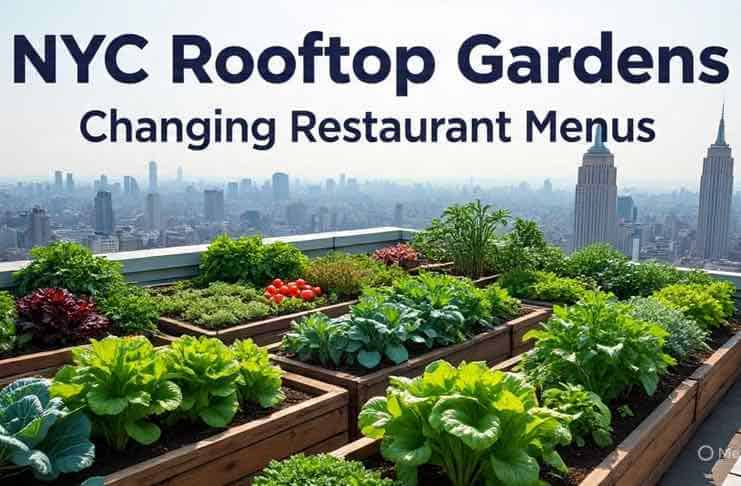
In a city defined by its concrete canyons and relentless pace, the quest for “fresh” can feel like a paradox. We crave ingredients that taste like they were just picked, yet our food often travels hundreds, if not thousands, of miles to reach our plates. But what if the freshest basil, the most vibrant microgreens, and the crispest lettuce were being harvested just a few floors above your table? Look up, because that’s exactly where New York City’s culinary scene is heading.
This isn’t a far-off futuristic dream. It’s a hyper-local food movement unfolding on the rooftops and in the basements of some of the city’s most innovative restaurants, all thanks to a soil-free farming method.
What is Urban Hydroponics?
Forget sprawling fields and tractors. Hydroponics is a method of growing plants without soil, using nutrient-rich water solutions instead. Think of it as a direct delivery system for everything a plant needs to thrive. Plants are typically housed in vertical stacks or horizontal channels, allowing a large number of them to grow in a very small footprint—perfect for a space-starved city like New York. This controlled environment means chefs aren’t at the mercy of seasons or weather, enabling them to grow delicate herbs year-round.
The result? Produce that is clean, consistent, and bursting with flavor, grown just steps from the kitchen.
Watch this reel to get a glimpse:
The “Zero-Mile” Ingredient: A Chef’s Dream
For a chef, control is everything. The ability to dictate the quality, availability, and flavor profile of an ingredient is the ultimate luxury. Rooftop hydroponics offers exactly that. Imagine a chef needing a specific type of mint for a new cocktail. Instead of placing an order and hoping for the best, they can walk upstairs and snip the perfect sprig, harvested at its absolute peak of freshness. This immediacy preserves the delicate aromatic oils and crisp textures that are often lost during shipping and storage. By leveraging vertical space, studies show that implementing rooftop hydroponic gardens, as shown at https://hydroponics360.com/gardens/, for example, can boost a restaurant’s direct access to key greens and herbs by over 90%, creating a truly “zero-mile” supply chain.
This isn’t just about staple greens, either. Chefs are using these systems to cultivate rare and heirloom varieties of herbs, edible flowers, and microgreens that would be difficult or prohibitively expensive to source otherwise, adding unique, signature flavors to their menus.
More Than Just Freshness: Sustainability in the City
While the culinary benefits are clear, this green revolution has a much wider impact. It represents a significant step toward a more sustainable urban food system. Traditional agriculture requires vast amounts of water and land, and the long-haul transportation of produce contributes heavily to carbon emissions. Hydroponic systems, by contrast, use up to 90% less water than soil-based farming. By growing food on-site, restaurants drastically reduce their “food miles,” slashing their carbon footprint and contributing to a cleaner city.
Pioneering urban farms have demonstrated the power of this model on a larger scale, transforming unused rooftop space into productive, community-focused agricultural hubs. The trend in restaurants is a micro-version of this powerful idea, proving that sustainability and high-end dining can go hand-in-hand.
Want to create your own rooftop garden? Watch this video guide:
Frequently Asked Questions
-
Is food grown hydroponically as nutritious as soil-grown produce?
Yes. In hydroponics, plants receive a perfectly balanced diet of essential minerals and nutrients directly through the water. As a result, the nutritional value of hydroponically grown produce is comparable, and in some cases even superior, to that of conventionally farmed crops.
-
What are the most common ingredients restaurants grow on-site?
Restaurants typically focus on high-value, fast-growing plants that make a big impact on a dish. This includes a wide variety of microgreens (like radish, arugula, and basil), delicate lettuces, edible flowers for garnishes, and an array of culinary herbs such as mint, parsley, cilantro, and chives.
-
How can I tell if a restaurant is using ingredients from its own garden?
Many restaurants are proud of their hyper-local sourcing and will often mention it on their menus or website. Phrases like “rooftop-harvested herbs” or “on-site vertical farm” are good indicators. If you’re curious, don’t hesitate to ask your server; they are often happy to share the story behind the food.
-
Is this just a trend for expensive, fine-dining restaurants?
While fine-dining establishments were early adopters, the technology is becoming more accessible. A growing number of more casual eateries, cafes, and even cocktail bars are beginning to incorporate small-scale hydroponic systems to guarantee the freshness of key ingredients, especially herbs for drinks and garnishes.