
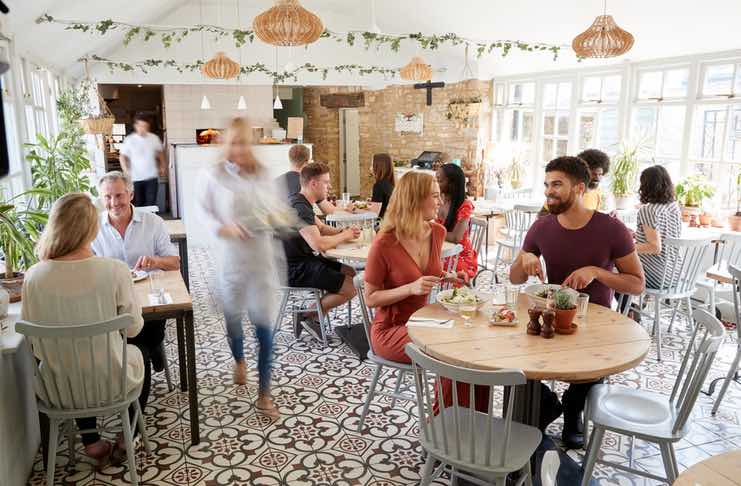
Restaurant rush hours bring food preparation, table service, and customer movement into crowded spaces. A spilled drink or leaking ice bin can make a familiar walkway slick while employees handle competing tasks. Queues block sightlines and leave customers little room to avoid hazards. The sequence of spills, foot traffic, and cleanup helps explain how falls happen and what matters afterward. Those details often begin with how spills develop during a rush. In this post, as part of our food business tips and advice, we look carefully into some key safety risks you need to watch out for.
Rush-Hour Spill Patterns
During a restaurant rush, water from a dropped glass, melting ice, or a freshly mopped tile can result in a hazardous situation amid ordinary foot traffic. After a slip-and-fall accident, questions include how the hazard developed, who controlled the area, and whether staff had reasonable opportunity to notice and address it. A clear account helps establish the connection between the floor condition and the fall without treating every spill as proof of fault.
Spills have different sources and timelines. A drink can hit the floor moments before someone walks through, while a leaking container can leave a trail across several sections. The source and spread help show where the hazard began and whether staff nearby could see it.

REAL PEOPLE TALKING
Servers on Reddit describe lunch and dinner rushes turning floors into slip hazards when rain mixes with recent mopping or high humidity. One worker posted about warning every party to walk carefully because guests and staff were slipping, running out of visible wet-floor signs, and watching a senior guest nearly go down before her husband caught her. The same post included a coworker’s story of a past fatal fall at a similar location when an older customer slipped near a step-up booth. Read the post on Reddit
Why Wet Floors Spread
Restaurant floors collect moisture near drink stations, restrooms, entrances, and tables where servers carry full trays. Rainwater also follows customers inside on their shoes, while condensation gathers around chilled equipment. During a busy service, foot traffic can spread a small wet patch beyond its original location.
Floor materials affect traction when liquid reaches a walkway. Grease near a kitchen entrance creates a different condition from water by a drink station. Describing the substance and its location provides more useful detail than a general claim that the floor was slippery.
Kitchen Service Paths
The route between the kitchen and dining room carries servers, bussers, and food runners in both directions. A swinging door or corner can hide a spill until someone is close. Trays and stacked dishes also compete for workers’ attention, leaving a hazard in the route unnoticed during a crowded service.
Restaurants can reduce conflicts by keeping deliveries, trash, and temporary storage out of walkways. Carts left beside a doorway narrow the space for passing staff. A mat that curls or shifts can create a trip hazard, especially where workers turn quickly.
Cleaning During Service
Cleaning protects customers, but its timing and method can create temporary hazards. A mop can leave a wet film, while a bucket or caution sign can obstruct a customer route. Cleaning one area while leaving an adjacent section open can direct foot traffic across the hazard.
Staff should block access until the floor is dry, using barriers customers can see before reaching the spot. A sign placed beyond the spill does little for someone approaching from another direction. Employees should check whether the floor remains slick after visible liquid disappears.
REAL PEOPLE TALKING
Restaurant staff share stories of customers falling when wet-floor signs are missing or placed poorly during or after mopping. One server described a new employee continuing to mop restrooms without posting signs, leading to a guest who slipped hard enough to hit her head and later involve a lawyer. Others note that even when signs exist, crowded service paths and obstructed views still leave people walking into the hazard. Read the post on Reddit
Records That Clarify The Scene
An incident record should capture floor conditions and staff responses while details remain fresh. Managers and witnesses can note:
- The spill’s location, appearance, and apparent source.
- When staff first noticed it and began cleanup.
- Any warning signs or barriers placed near the hazard.
- The names of employees and customers who saw the spill.
Photographs can show the spill’s position in relation to tables, counters, and traffic routes. A written account should separate what a person saw from what someone else later reported. If surveillance footage exists, the relevant period can show how long the condition remained and how people moved around it.
Responsibility and Hazard Notice
Responsibility depends on the facts, including who controlled the area and what staff knew about the condition. An employee could create a spill, notice it, or hear about it from a customer. The timing of those events helps establish what happened before the fall.
A customer’s account should describe the precise location, direction of travel, and floor condition. Staff schedules, cleaning notes, and available video can help confirm the sequence. Missing records do not establish what occurred, so specific observations from the injured person and witnesses still matter.
Responding After a Fall
After a fall, the injured person should report it to restaurant management and ask staff to record the details. If it is safe, take photographs of the floor, nearby warning signs, and the surrounding route. Witness names and contact details can help preserve independent accounts.
Medical attention comes first when an injury needs care. The injured person should keep copies of incident paperwork and notes on symptoms, treatment, and missed work. A prompt, factual record gives later reviewers a clearer basis for assessing the event.
REAL PEOPLE TALKING
Delivery workers and customers post about slipping on wet floors near soda stations or entrances while staff are mopping or closing. One driver described blacking out briefly after hitting their head on a counter, then receiving a concussion diagnosis and strained ankle after staff helped them up and remade the order. The discussion that followed centered on documenting the scene, seeking medical care, and deciding next steps. Read the post on Reddit
Conclusion
A rush-hour fall rarely turns on one detail. The spill’s source, the route it crossed, staff awareness, and cleanup timing can all shape the account of what happened. Restaurants can reduce risk by keeping service paths clear, checking busy spill areas, and blocking access to wet floors until they dry. After an injury, record observable facts promptly, before the scene changes and memories fade.
Photo from: https://depositphotos.com
- About the Author
- Latest Posts


Grant Polachek is Head of Branding at Squadhelp.com (now Atom.com), a three-time Inc. 5000 company and the world’s leading crowdsource naming platform. With over one million names reviewed and a curated marketplace of the web’s best available brand names, Squadhelp has helped businesses of all sizes find their perfect identity — from early-stage startups to global giants like Nestlé, Dell, Hilton, Pepsi, and AutoNation.
- Wet Floors, Tight Queues, and Busy Kitchens: The Overlooked Safety Risks of Restaurant Rush Hours
- How Food Trucks Can Build a Brand Customers Remember
- How Food Trucks Scale Production Quality Without Wrecking Their Margins
- Why More American Restaurants Are Choosing MenuForma for Digital Menus and Online Ordering
- Behind the Wheel: What NYC's Food Truck Operators Wish They Knew About Licensing Before Day One