Big nights reward planning. When service peaks, timing is the difference between a graceful dining room and a stressed line. Day X needs a shared clock for kitchen waves, a clear cadence for set menu drops, and service slots that match real capacity rather than wishful thinking. In this post, as part of our food business advice, we’ll explore some useful tips to turn your restaurant chaos into flawless flow.
Strong timing begins on paper. A concise business plan for a cafe and restaurant sets guardrails for seating cadence, menu complexity, and staffing ratios. On the event day, those choices translate into minute-by-minute pacing. The aim is simple. Promise precise times, release tables in waves, and keep the rail even so that cooks and servers move in sync.
Watch this video to get a glimpse of how a professional kitchen works:

My Experience
As a blogger for NYSF, I once interviewed Chef R. at his tiny East Village spot. He told me that before they put their pacing plan on paper, they were losing $500 a night just to comped dishes and ruined product. Now, the printed timeline for Day X is his “sacred text” on the pass.
Map The Day X Timeline
Start with the hard anchors. Guest arrival windows, speech or music cues, and final plate-back targets shape everything else. Next, convert the menu into prep clocks. If the set menu has a slow roast, build earlier waves that absorb that duration. Cold courses and family-style sides serve as pressure valves to release energy without clogging the pass.
Kitchen waves work like tide charts. Each wave defines how many seats land in the first five minutes, how many in the next five, and where catch-up buffers live. The plan should include a small reserve to handle late arrivals without punishing on-time tables. When dwell times vary by party size, schedule larger parties earlier to stabilize pacing before the peak.
My Experience
I followed Chef M. through an entire prep day for a Food Event in Long Island City. He showed me his massive whiteboard map of the day. The whole team knew the anchor points—when the VIPs arrived, when the dessert station was slated to open. It was less about cooking and more about an intricate, synchronized dance.
Kitchen Waves That Actually Hold
- Right-sized batches
Cap plate count per station so no single ticket bursts the line. Split a 40-cover wave into two micro-waves five minutes apart.
- Course clocks
Assign target minutes for each course and publish them at Expo. Example. amuse 4, starter 12, main 18, dessert 10.
- Recovery buffers
Insert short gaps every 25 to 30 minutes for re-fires, late guests, and plate fixes without domino effects.
- Station load balance
Distribute protein and sauté pressure across waves. Avoid stacking all steak mains in one burst.
- Signal rules
Clear handoff cues from garde manger to hot line and from pass to floor so timing translates into motion.
These habits turn timing into muscle memory. When every station sees the same minutes and the same caps, the pass stops improvising and starts conducting. A shared countdown also reduces verbal traffic, which keeps communication crisp during the surge.
My Experience
At a pop-up concept in the Meatpacking District, Chef J. used a digital expo screen that flashed the target time for every course. He told me that setting and enforcing a strict Course Clock eliminated “waiting for protein” excuses. It forced his cooks to manage their timing precisely, not just their cooking.
Pacing A Set Menu Without Rushing The Room
A fixed sequence should feel curated, not scripted. Guests linger differently across courses. Pairings influence speed. Acoustic levels change conversation length. Build options into the plan. A fallback cheese plate can replace a slow dessert when timing drifts. Coffee service can float to absorb a surprise speech without pushing mains cold.
Confirmations and table releases benefit from light automation. Reservation links and reminders reduce guesswork, and table-ready messages cut idle time at the door. Integrations that connect the book, host screen, and expo log keep updates flowing. Systems such as Eat App align seatings, promised times, and follow-ups so pacing adjusts to reality rather than averages.
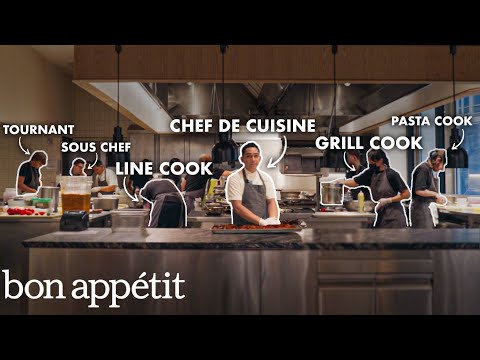
Watch this video to get a glimpse of how a Michelin-star restaurant operates in NYC:
Back-of-house and front-of-house share one heartbeat. When the rail goes orange, hosts slow seating by a few minutes. If desserts are clearing fast, the next wave unlocks. This feedback loop preserves quality and confidence. Guests sense calm, which lowers complaint risk and lifts perceived value.
My Experience
During a chat with the manager at a popular Greenwich Village Restaurant, she stressed the importance of the front-of-house feedback loop. If the kitchen was slammed, her host wouldn’t just slow seating; they’d drop an unexpected amuse-bouche at the waiting tables to manage expectations and keep guests feeling cared for, not forgotten.
Service Slot Playbook For Real-World Floors
- Zoned releases
Seat by zone in small clusters to spread ticket fire times. Rotate sections to prevent server pileups.
- Waitlist cadence
Send table-ready notices in staggered pairs. Avoid summoning three parties to one door.
- Promise discipline
Quote realistic times based on live rail status. Update ETAs proactively when waves slide.
- VIP smoothing
Hold one flexible two-top and one four-top per peak hour to handle special cases without wrecking cadence.
- Exit cues
Offer coffee or digestifs at the bar for early turn relief when the next wave waits.
After the list, lock the routine with short rituals. A two-minute huddle sets the first hour’s rhythm. Mid-service, a quick reset call re-syncs clocks. Post-service, ten lines of notes capture what drifted and why. Those notes become next week’s improvements.
My Experience
Chef K. in Chelsea taught me that his most valuable tool wasn’t a piece of kitchen equipment, but the 2-minute pre-shift huddle. It was a ritual where the head chef and lead server would explicitly assign the “safety tables” and “stretch tables” for the night, making sure the floor team knew exactly where to create a buffer.
Measuring What Matters
Great timing shows up in numbers. Track promises met versus delivered, average dwell by party size, and ticket variance per station. Measure re-fire count, remake tags, and the longest wait for mains. Compare wave sizes to rail stress to find the tipping point. Over a month, these metrics reveal the sweet spot for batch size and the best gap length between waves.
Technology should serve the plan, not the other way around. Floor maps, waitlists, and expo timers are only as good as the discipline behind them. Keep interfaces simple, roles clear, and alerts quiet unless action is required. Quiet systems reduce cognitive load, which frees attention for hospitality.
My Experience
A pastry chef in Brooklyn, Chef A., meticulously tracks the remake count and the “longest wait for mains” to measure success. She said that a high remake count on a specific item always correlated to a wave that was too large, showing her exactly where the line broke under pressure.
Continuous Improvement Without Overcomplication
Small tweaks compound. Narrow a wave by two seats. Pull the amuse two minutes earlier. Move speeches before mains. Replace a fussy garnish that stalls the pass. Each change trims friction and brings the room closer to the planned tempo. Training closes the loop. New staff learns the timeline first, the menu second, and the tools third, in that order.
Day X timing is a craft. Kitchen waves protect quality. Set menu pacing preserves narrative. Service slots translate capacity into smooth motion. With a lean plan, honest caps, and clear signals, the room breathes, plates land hot, and the story guests remember is effortless flow rather than near misses.
Restaurant Service Flow FAQ
Here is a Frequently Asked Questions (FAQ) section based on the article, “Day X Timing That Turns Chaos Into Flow.”
Understanding the Core Concepts
Q: What is “Day X Timing” in the context of the article? A: Day X Timing is the comprehensive, minute-by-minute service plan for a major event, service peak, or high-volume night in a restaurant. It dictates seating cadence, kitchen production, and course delivery to ensure flow instead of chaos.
Q: What are “Kitchen Waves”? A: Kitchen Waves are staggered, controlled batches of orders released to the line. Instead of seating all guests at once and overloading the kitchen (“one giant wave”), service is broken into smaller micro-waves (e.g., a 40-cover wave split into two 20-cover waves five minutes apart) to keep the line moving steadily.
Q: What is the primary goal of establishing a “Course Clock”? A: The primary goal is to provide a clear, visible target time for the preparation and delivery of each course (e.g., 12 minutes for a starter, 18 minutes for a main). This forces the kitchen team to manage their time precisely and reduces verbal excuses for delays.
Planning and Preparation
Q: Where does strong timing “begin”? A: Strong timing begins on paper with a concise business plan that defines guardrails for seating cadence, menu complexity, and staffing ratios before service starts.
Q: What are the “hard anchors” needed to map the Day X Timeline? A: Hard anchors are the fixed, non-negotiable points of the event, such as guest arrival windows, scheduled speech or music cues, and the final plate-back targets. These shape the entire prep and service schedule.
Q: How do you build “Recovery Buffers” into the timeline? A: Recovery buffers are short, scheduled gaps (e.g., 2-5 minutes every 25-30 minutes) inserted between waves. Their purpose is to absorb issues like re-fires, late guests, and plate fixes without allowing these small problems to create a domino effect and ruin the pacing.
Execution and Improvement
Q: How do the front-of-house (FOH) and back-of-house (BOH) share “one heartbeat”? A: They share one heartbeat through a feedback loop. If the expo rail is stressed, hosts slow seating; if desserts are clearing fast, the next seating wave is unlocked. This ensures the floor pacing matches the kitchen’s real-time capacity.
Q: What is “Promise Discipline”? A: This is the practice of quoting realistic times to guests based on the live status of the service rail (kitchen activity). It requires updating estimated wait times proactively if waves slide to manage guest expectations honestly.
Q: What are the most valuable metrics to track for timing improvement? A: Key metrics include promises met vs. delivered, average dwell time by party size, the re-fire count, the remake count, and the longest wait for mains. Analyzing these reveals where the service line broke under pressure.
Q: According to the article, what should new staff learn first? A: New staff should learn the timeline first, the menu second, and the tools third. The fundamental rhythm and pacing of the service operation are prioritized over specific culinary details.
- About the Author
- Latest Posts


Anthony McGovern is an NYC-based food writer and culinary explorer dedicated to mapping the city’s rich, diverse street food landscape. From tracing the deep immigration histories behind Chinatown’s dumpling shops to hunting down the best late-night taco trucks on Roosevelt Avenue, Anthony focuses on the stories, people, and generations-old traditions that define New York’s food scene
- The Dog-Friendly NYC Street Food Crawl: Where to Go and What to Bring
- A Food Lover’s Guide to Traditional Chinese Wellness Foods in NYC
- What Actually Pairs With a Grilled-Meat Taco? A Street-Level Guide to Mezcal Cocktails
- 10 Best GloriaFood Alternatives for Restaurants in 2026
- Knife Safety Tips for Food Truck Operators: Working Safe in a 4-Foot Kitchen